
Every sales manager has had this conversation at least once: Was the customer visit actually made?
It is an uncomfortable question for both sides. The manager needs reliable field visibility. The sales representative may feel that honest work is being questioned. When the only evidence is a verbal update, a phone call or an end-of-day report, even a small uncertainty can become a trust problem.
The better answer is not more suspicion. It is better evidence.
Let the visit record speak
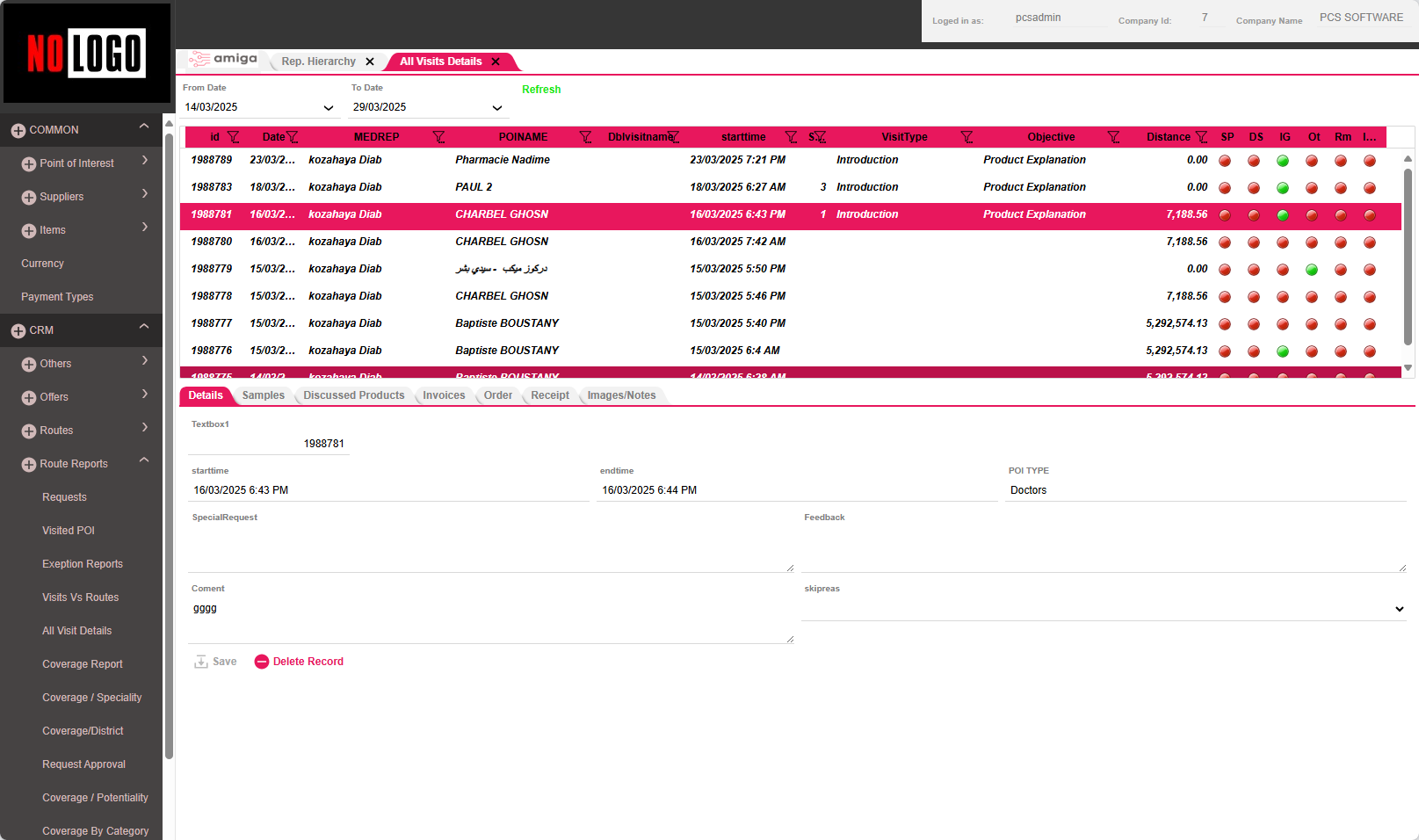
With Amiga Cloud, every visit is geolocated and timestamped. The system records where and when the field activity took place, creating a neutral operational record that both the manager and the representative can refer to.
This changes the conversation. Instead of asking whether a visit happened, the manager can focus on what happened during the visit, what the customer needs and what should happen next.
The representative no longer has to rely only on memory or defend a completed route with screenshots, calls or messages. The work has a clear digital footprint.
Visibility should reward good work
Visit validation is often described as a control. Its greater value is recognition.
Field sales work is demanding. Representatives spend the day moving between customers, handling delays, finding addresses, solving issues and adapting their route. Much of that effort is invisible from the office. A geolocated, timestamped visit makes completed work visible.
That evidence helps a company reward representatives fairly by showing:
- Visits completed at the customer location
- The time and sequence of field activity
- Consistent execution across the assigned route
- Extra effort made to cover difficult or distant accounts
- Reliable follow-through on planned customer visits
When performance discussions are supported by objective visit records, recognition can be based on execution rather than perception.
Better evidence creates better management
A validated visit record gives managers confidence without forcing them to micromanage every movement. It helps them review route coverage, identify missed customers and support representatives who face operational obstacles.
It also improves coaching. If visits are happening but orders are not increasing, the conversation can move beyond attendance. The manager can ask better questions about product availability, pricing, competition, customer objections or the quality of the visit.
The data does not replace the manager. It gives the manager a clearer starting point.
Trust works both ways
Geolocation and timestamps should be used transparently and in context. A location record confirms where an activity was captured; it does not explain traffic, customer availability, device issues or every exception that may occur in the field.
The strongest approach is simple:
- Tell representatives what is recorded and why
- Use visit evidence consistently across the team
- Review exceptions before drawing conclusions
- Treat the data as a basis for a conversation, not an automatic verdict
- Use verified execution to recognize and reward good performance
When teams understand that visit data protects honest work as much as it validates it, the system supports trust instead of weakening it.
From “prove it” to “well done”
Manager–representative trust should not depend on guesswork. With every visit geolocated and timestamped in Amiga Cloud, completed fieldwork becomes visible, verifiable and easier to reward.
The result is a healthier conversation: fewer disputes about whether the visit happened, more useful discussion about the customer and more recognition for the representatives who consistently do the work.